9 min read
AI IMAGE MODELS FOR 2026: FULL BREAKDOWN
AI image editors are evolving at a light speed. It feels like a moment ago we were struggling with basic functions of the gen AI image engines. Today we are capable of creating anything and even fooling human eyes completely with real-life imitating footage.
I tested five models on the same tasks. Same images, same prompts, same criteria. Using the same exact prompt for each tool I tested how each one performed, and how smooth editing went. What I care about mostly is: does the model actually listen, does it respect the original image, and does the output look like a deliberate creative decision rather than a lucky accident.
Five models tested: Nano Banana Pro, Nano Banana, Kling 01, Seedream 4.5, and ChatGPT 1.5.
Three tests, each targeting a different capability. A detail-heavy editing prompt to see how many instructions each model actually follows. Character swap into an existing scene. Camera angle change from the same image.
Testing criteria
PROMPT ADHERENCE
Four prompts, each targeting a different challenge: group composition, complex environments, hand anatomy, text rendering on clothing, light dynamics, and camera angles. Every model got the exact same instructions. Pure text-to-image generation. No reference images, no editing. Just a prompt and how each model interpreted it.
Hover over any image to see the prompt that was used to generate it.
NANO BANANA PRO
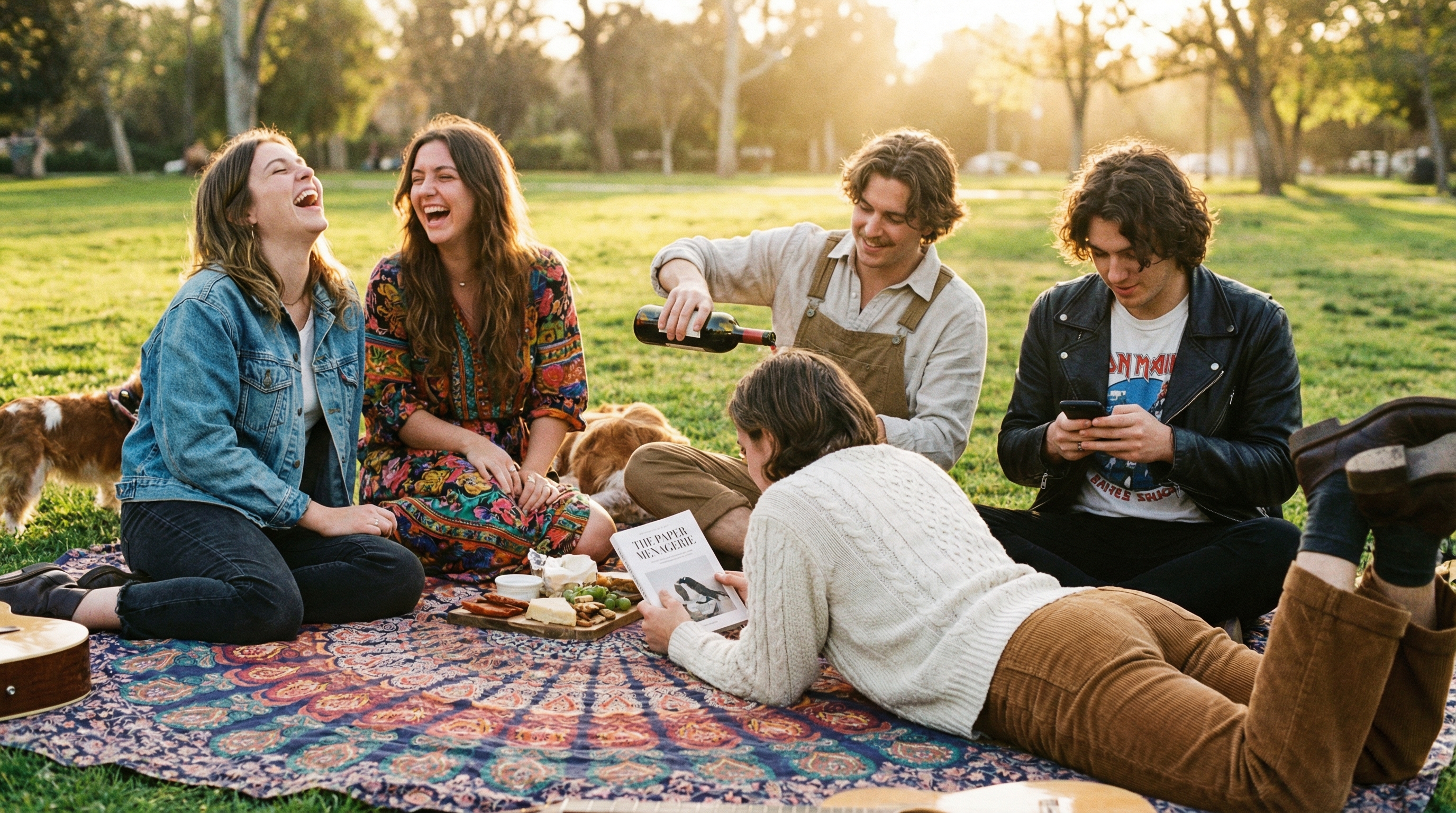
01An outdoor photograph of five friends sitting on a blanket in a park during golden hour. Two are laughing, one is pouring wine from a bottle, one is lying down reading a book, one is looking at their phone. Each person wearing distinctly different clothing. Warm tones, natural light.
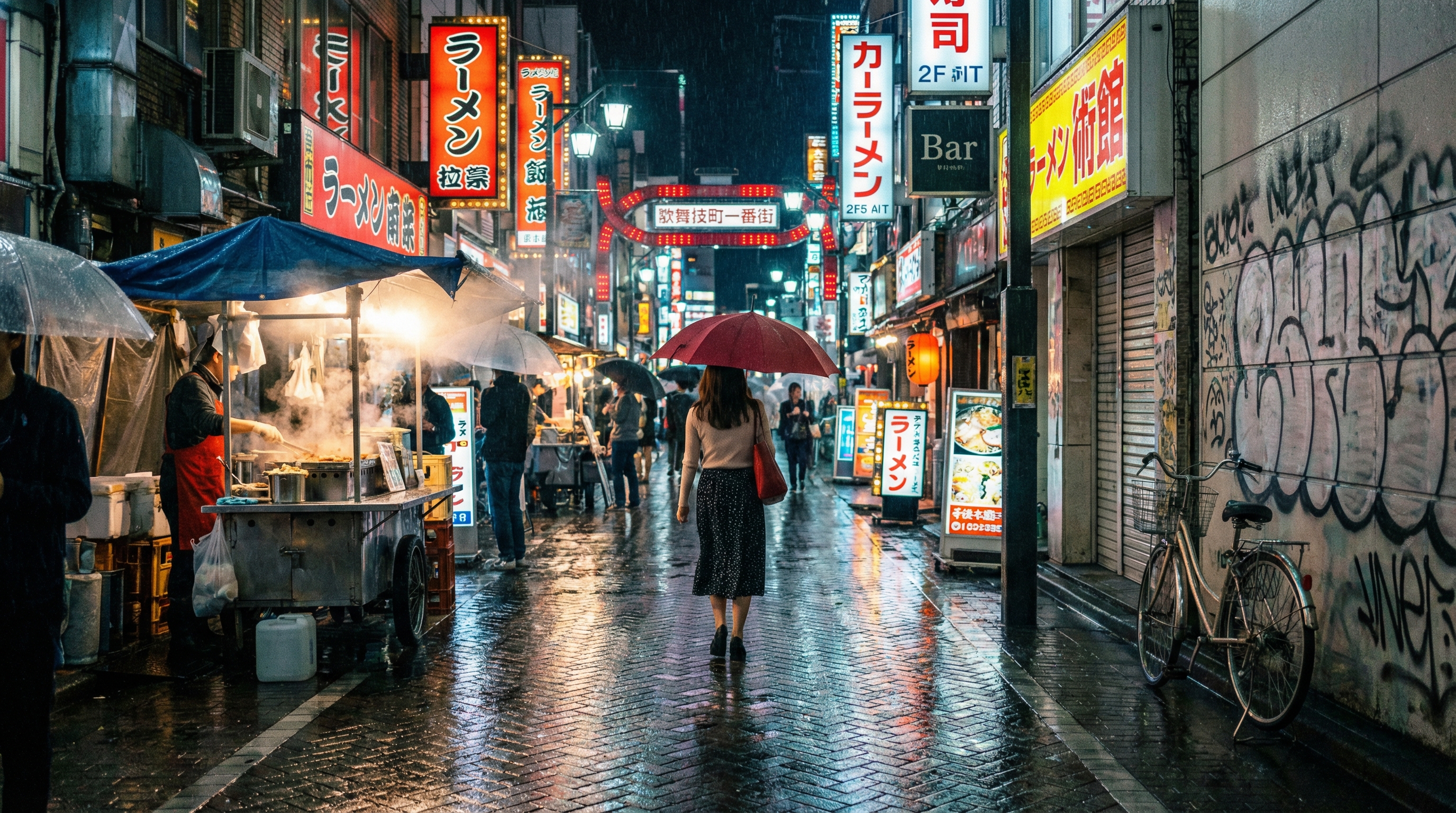
02A wide shot of a rainy Tokyo side street at night. Neon signs reflecting on wet pavement. A woman with a red umbrella walking away from the camera in the center of the frame. Street vendors on the left, a parked bicycle leaning against a wall on the right.

03A close-up of two hands shaking firmly in the center of the frame. One person wears a dark navy suit jacket with the cuff visible, the other wears a rolled-up white linen shirt sleeve. Warm natural light, low angle.
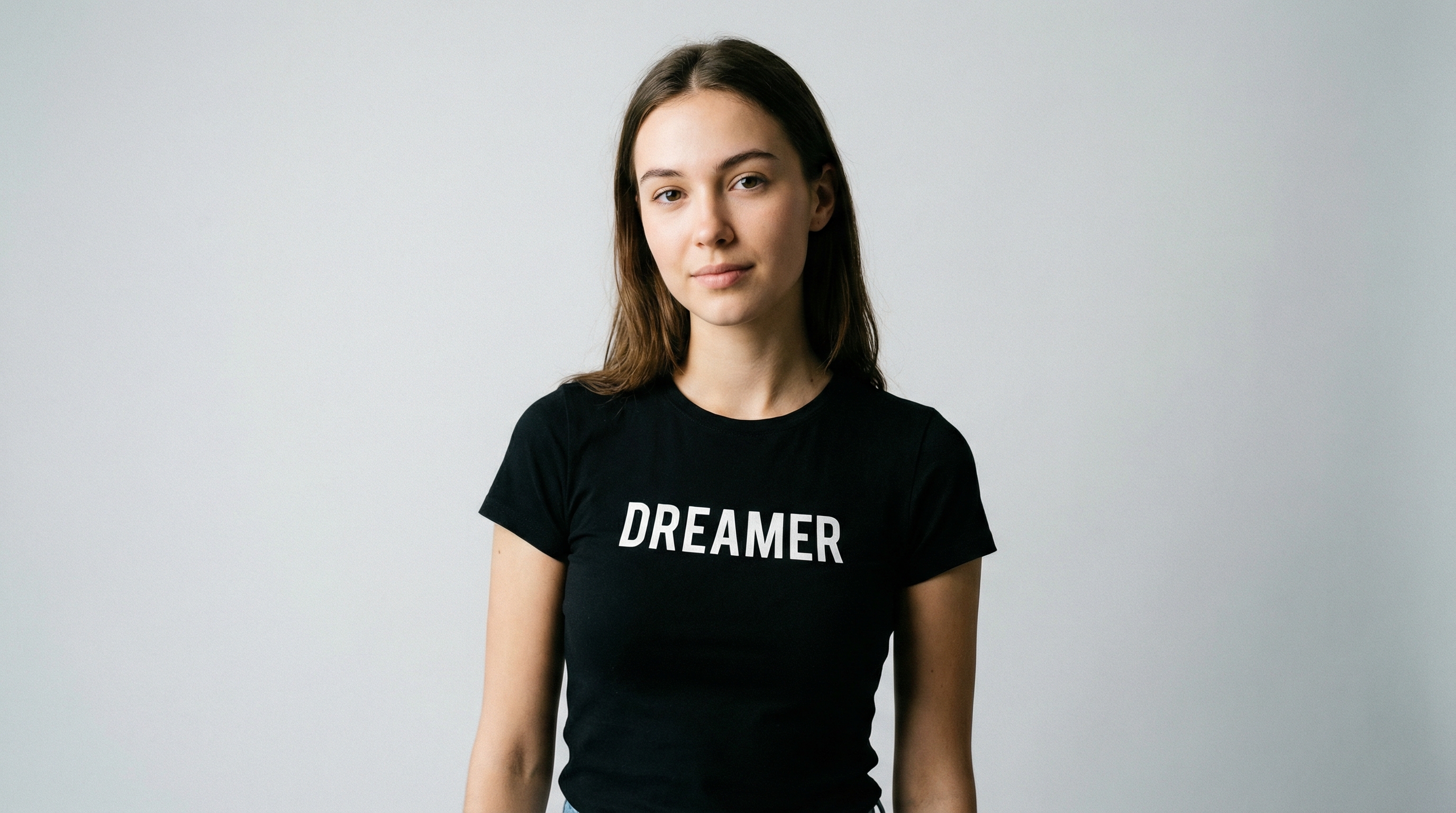
04A photorealistic studio portrait of a young woman, waist up, wearing a fitted black crew-neck t-shirt with the word 'DREAMER' printed in white sans-serif uppercase letters across the chest. Soft studio lighting from the left side of the scene, light grey background.
NANO BANANA
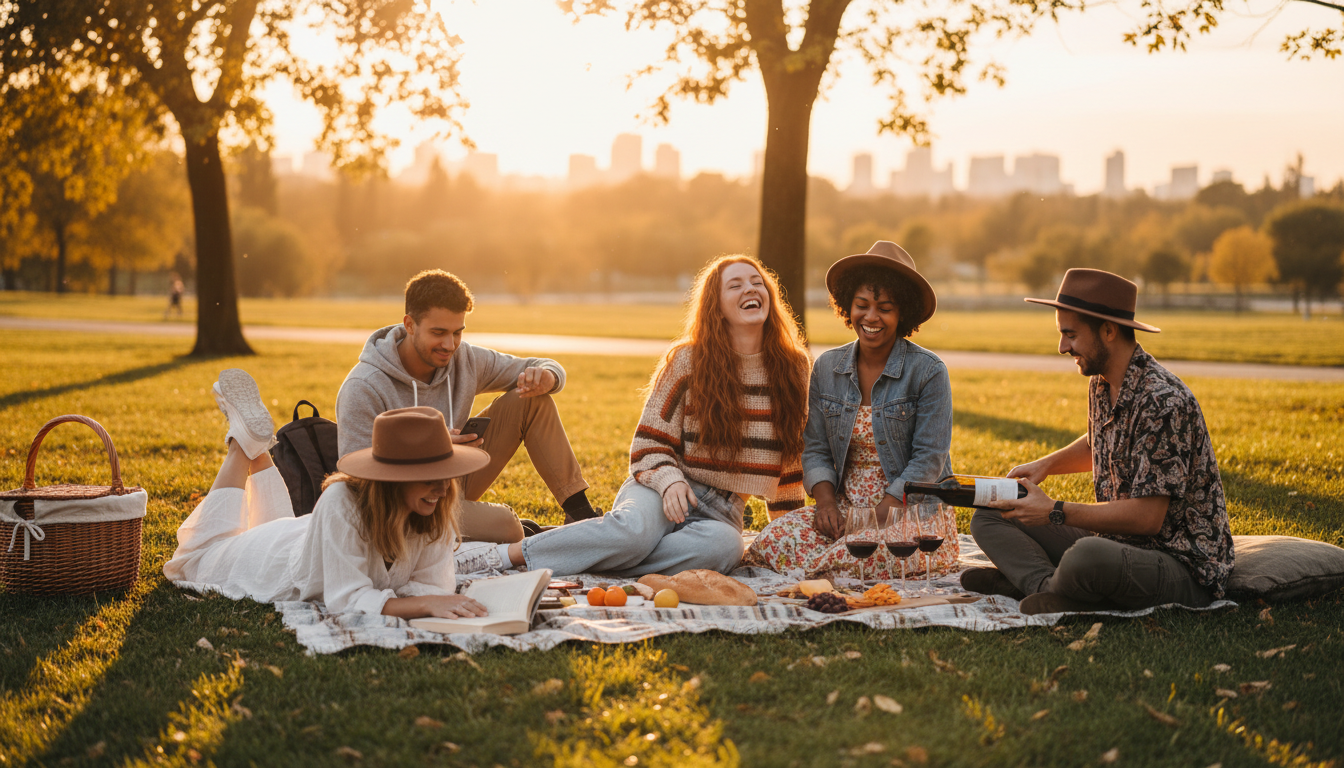
01An outdoor photograph of five friends sitting on a blanket in a park during golden hour. Two are laughing, one is pouring wine from a bottle, one is lying down reading a book, one is looking at their phone. Each person wearing distinctly different clothing. Warm tones, natural light.
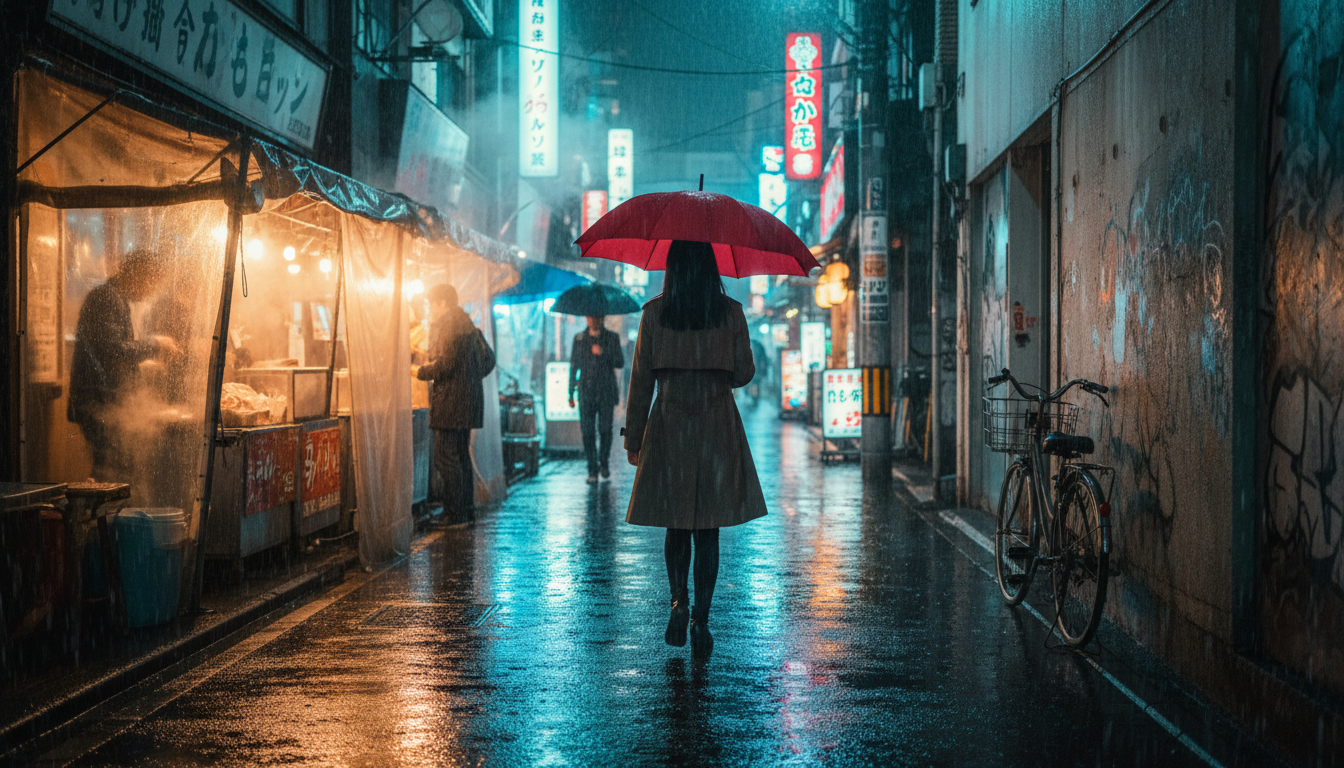
02A wide shot of a rainy Tokyo side street at night. Neon signs reflecting on wet pavement. A woman with a red umbrella walking away from the camera in the center of the frame. Street vendors on the left, a parked bicycle leaning against a wall on the right.

03A close-up of two hands shaking firmly in the center of the frame. One person wears a dark navy suit jacket with the cuff visible, the other wears a rolled-up white linen shirt sleeve. Warm natural light, low angle.
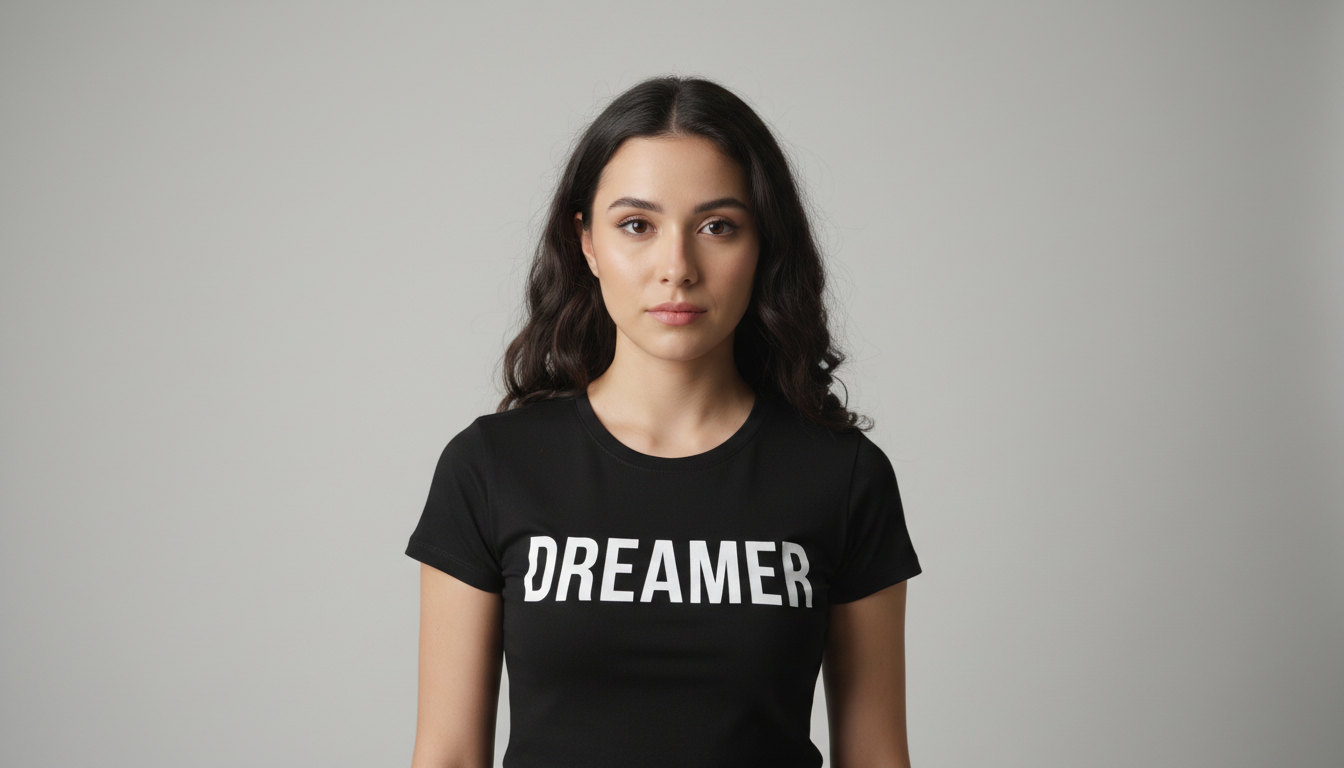
04A photorealistic studio portrait of a young woman, waist up, wearing a fitted black crew-neck t-shirt with the word 'DREAMER' printed in white sans-serif uppercase letters across the chest. Soft studio lighting from the left side of the scene, light grey background.
CHATGPT 1.5

01An outdoor photograph of five friends sitting on a blanket in a park during golden hour. Two are laughing, one is pouring wine from a bottle, one is lying down reading a book, one is looking at their phone. Each person wearing distinctly different clothing. Warm tones, natural light.
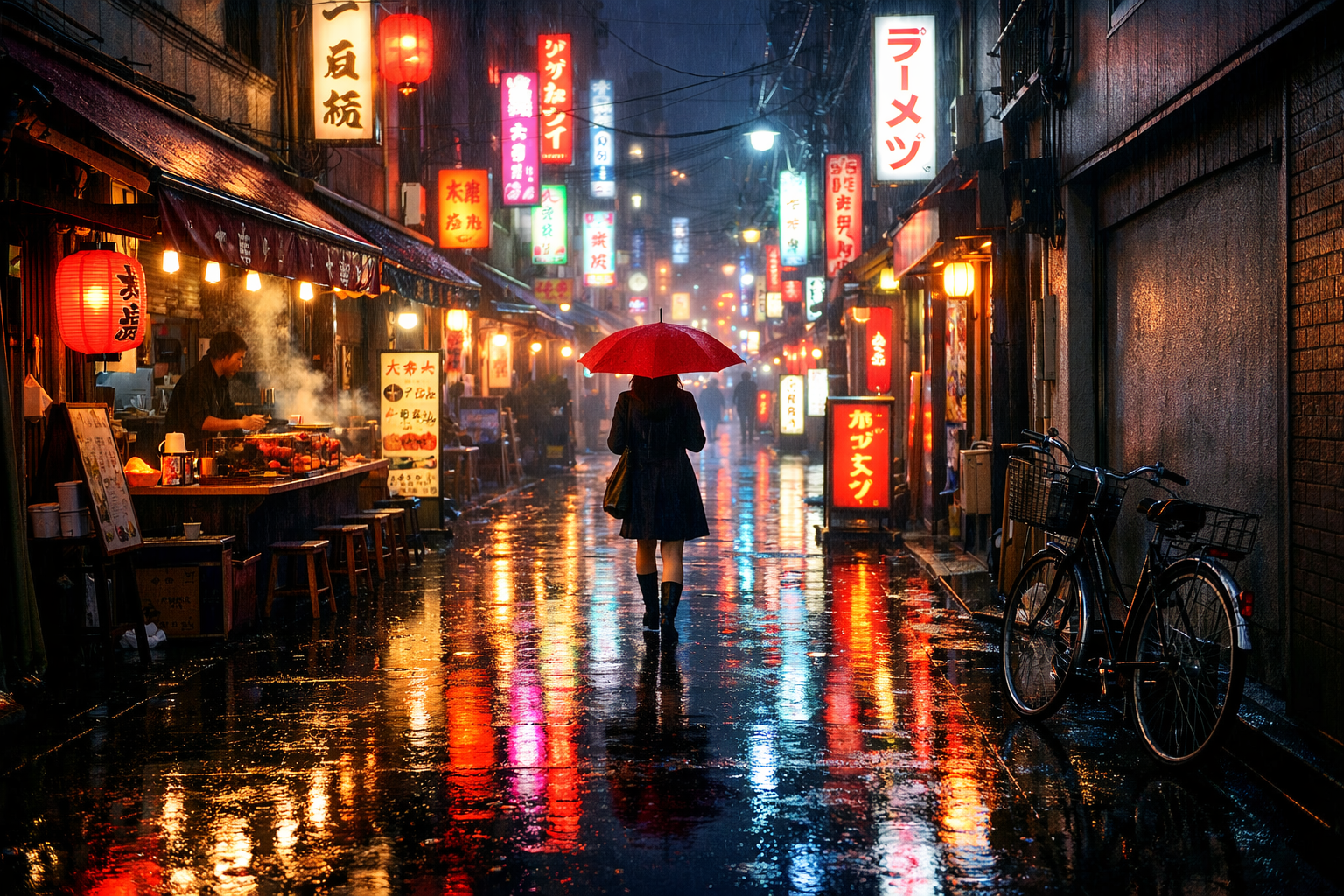
02A wide shot of a rainy Tokyo side street at night. Neon signs reflecting on wet pavement. A woman with a red umbrella walking away from the camera in the center of the frame. Street vendors on the left, a parked bicycle leaning against a wall on the right.

03A close-up of two hands shaking firmly in the center of the frame. One person wears a dark navy suit jacket with the cuff visible, the other wears a rolled-up white linen shirt sleeve. Warm natural light, low angle.
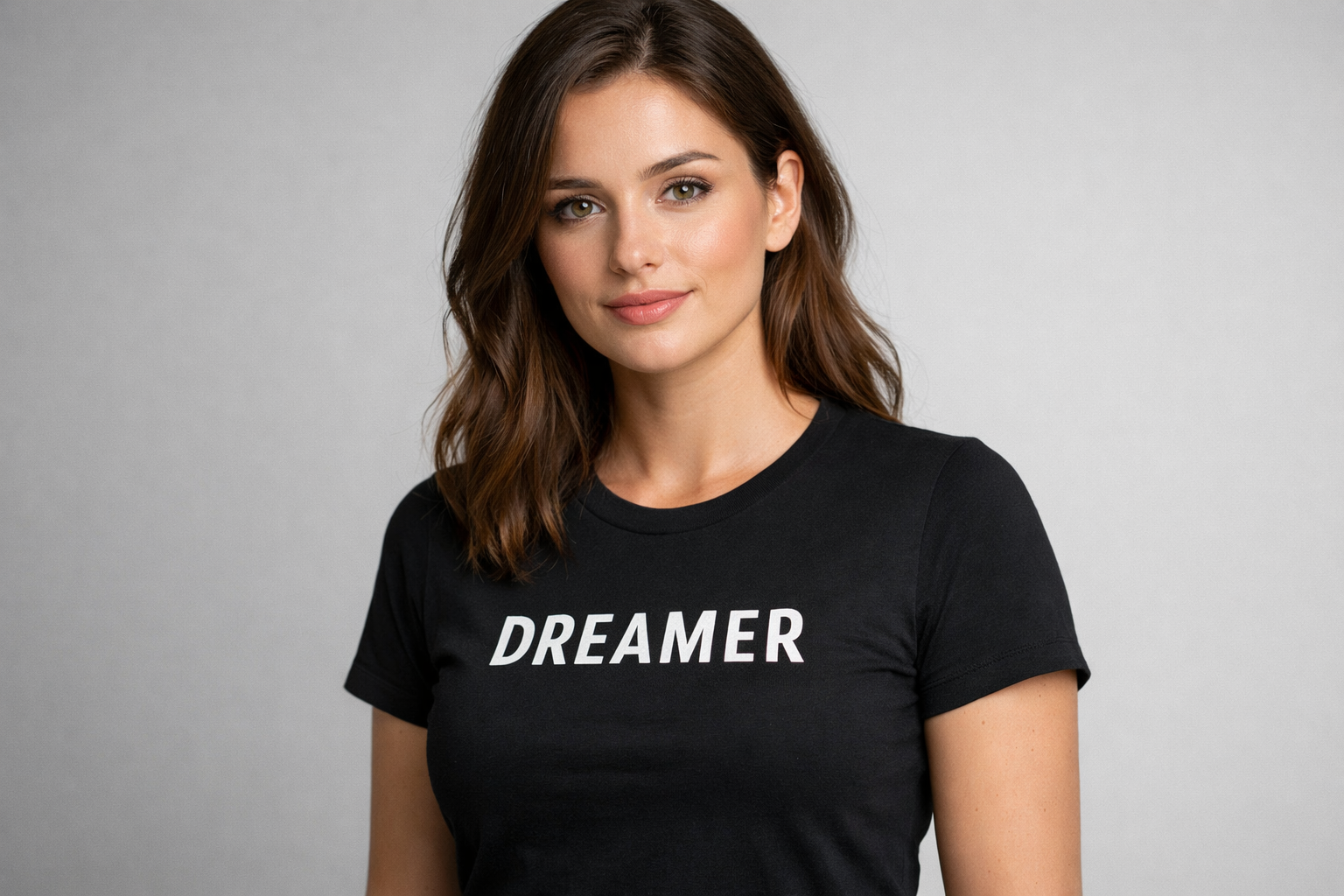
04A photorealistic studio portrait of a young woman, waist up, wearing a fitted black crew-neck t-shirt with the word 'DREAMER' printed in white sans-serif uppercase letters across the chest. Soft studio lighting from the left side of the scene, light grey background.
SEEDREAM 4.5
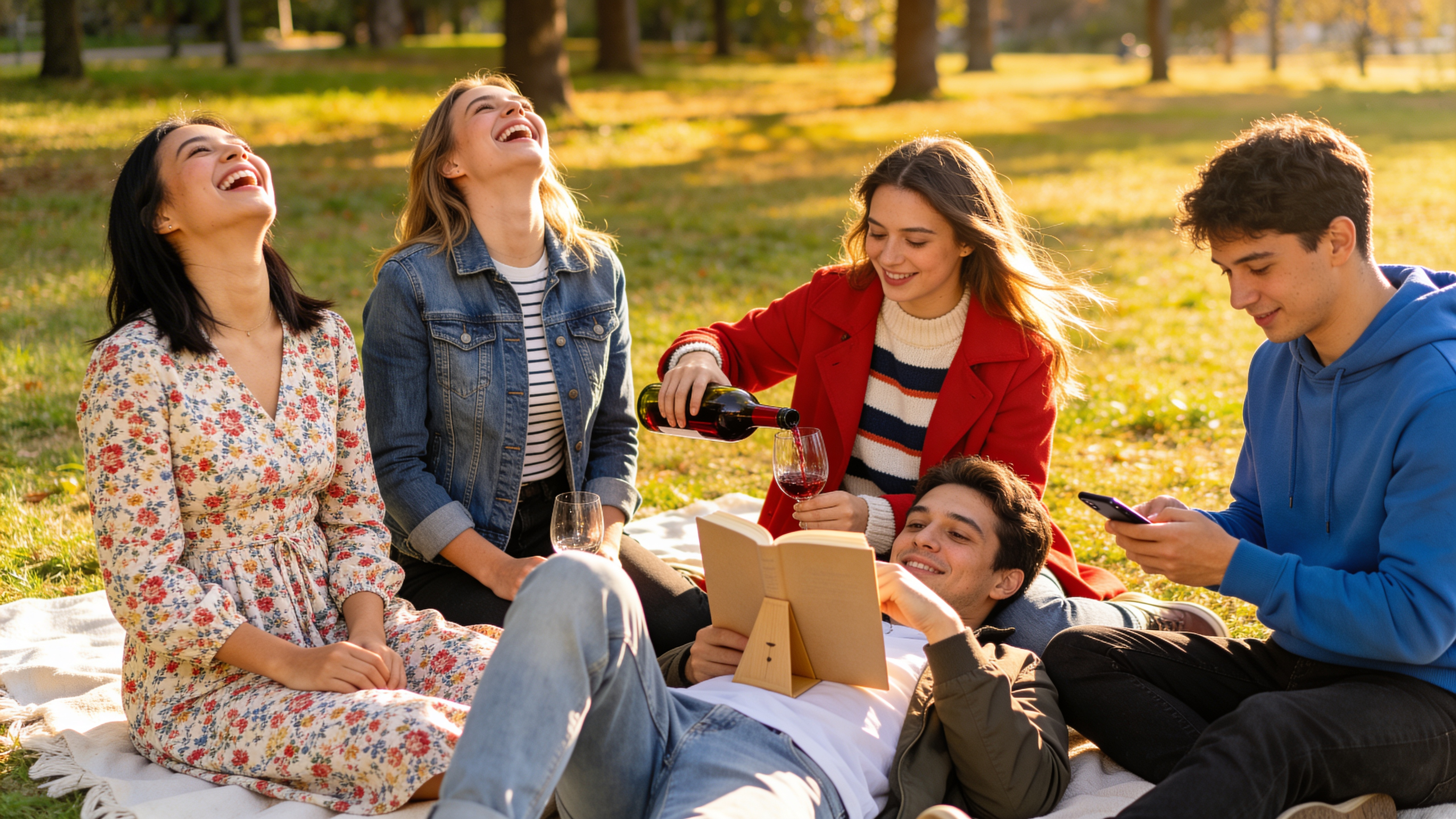
01An outdoor photograph of five friends sitting on a blanket in a park during golden hour. Two are laughing, one is pouring wine from a bottle, one is lying down reading a book, one is looking at their phone. Each person wearing distinctly different clothing. Warm tones, natural light.
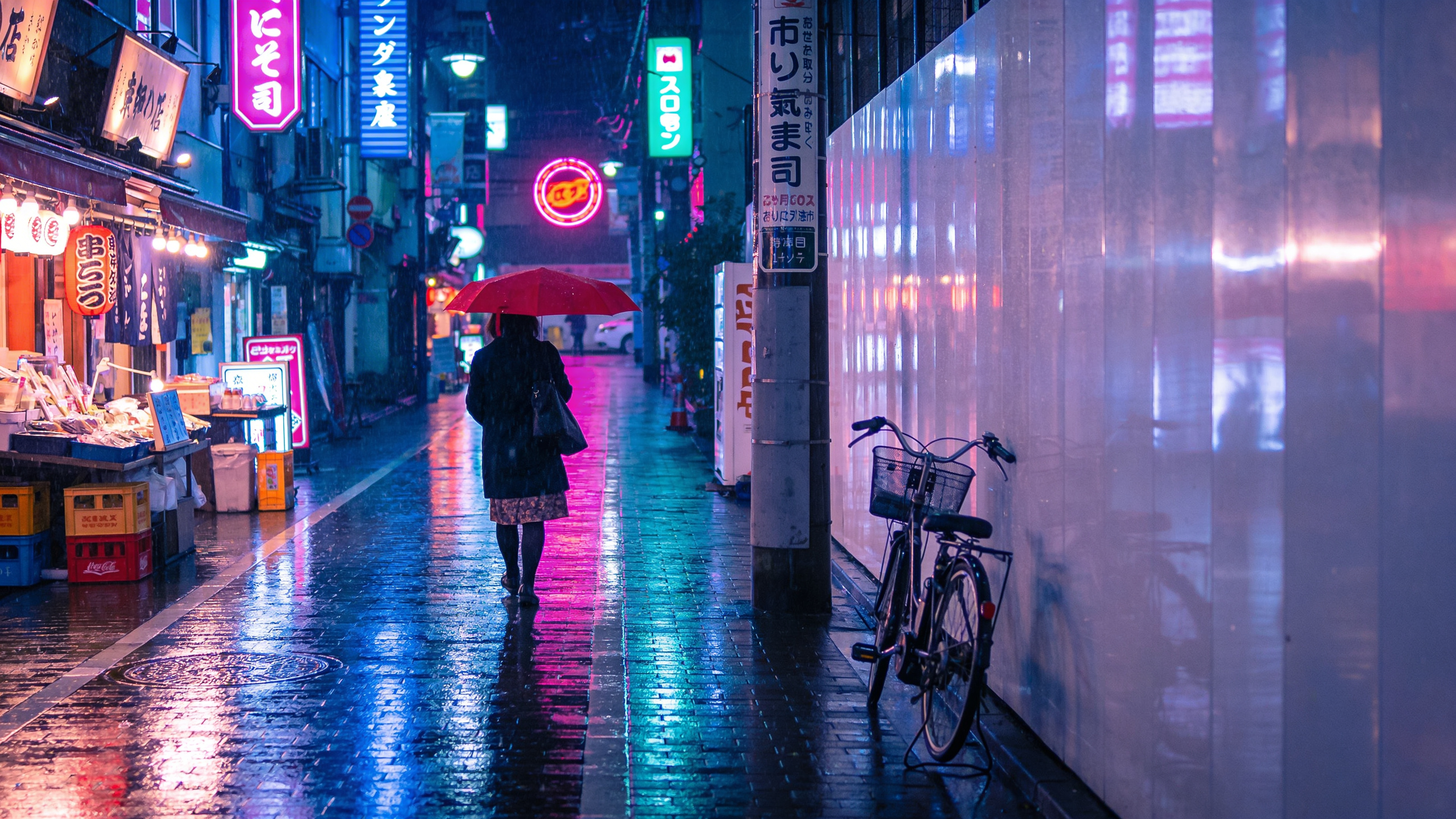
02A wide shot of a rainy Tokyo side street at night. Neon signs reflecting on wet pavement. A woman with a red umbrella walking away from the camera in the center of the frame. Street vendors on the left, a parked bicycle leaning against a wall on the right.

03A close-up of two hands shaking firmly in the center of the frame. One person wears a dark navy suit jacket with the cuff visible, the other wears a rolled-up white linen shirt sleeve. Warm natural light, low angle.
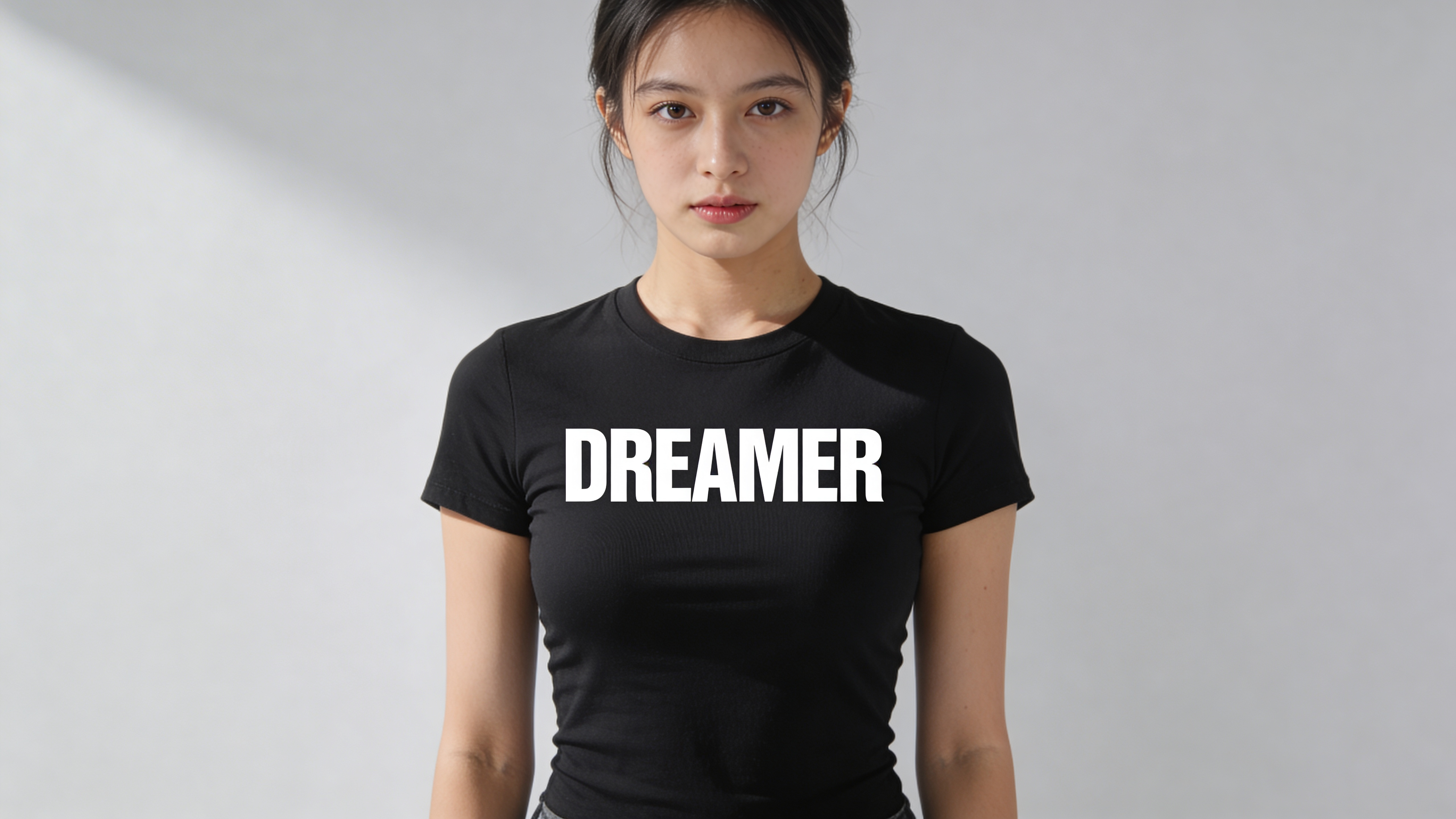
04A photorealistic studio portrait of a young woman, waist up, wearing a fitted black crew-neck t-shirt with the word 'DREAMER' printed in white sans-serif uppercase letters across the chest. Soft studio lighting from the left side of the scene, light grey background.
KLING 01
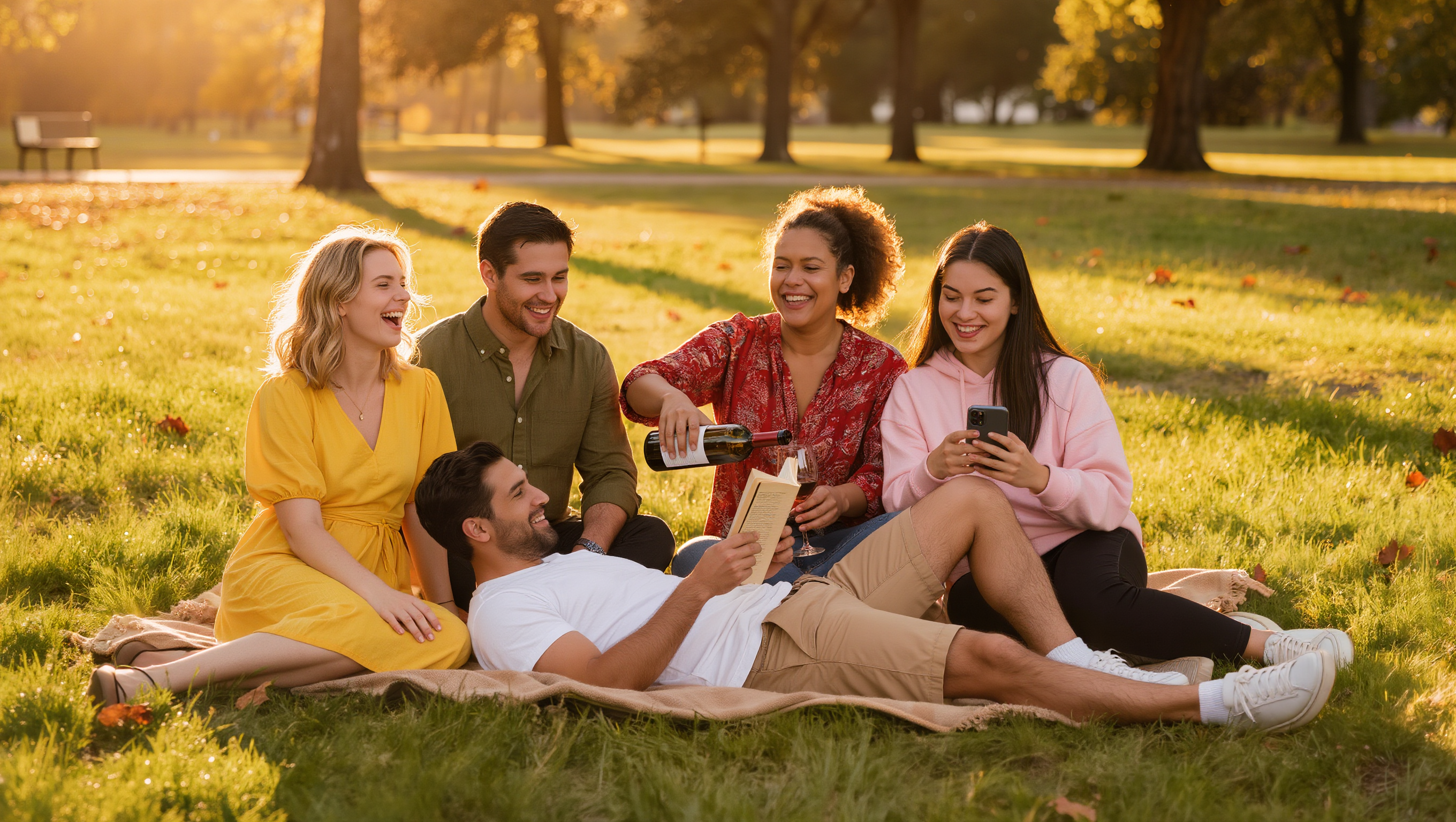
01An outdoor photograph of five friends sitting on a blanket in a park during golden hour. Two are laughing, one is pouring wine from a bottle, one is lying down reading a book, one is looking at their phone. Each person wearing distinctly different clothing. Warm tones, natural light.
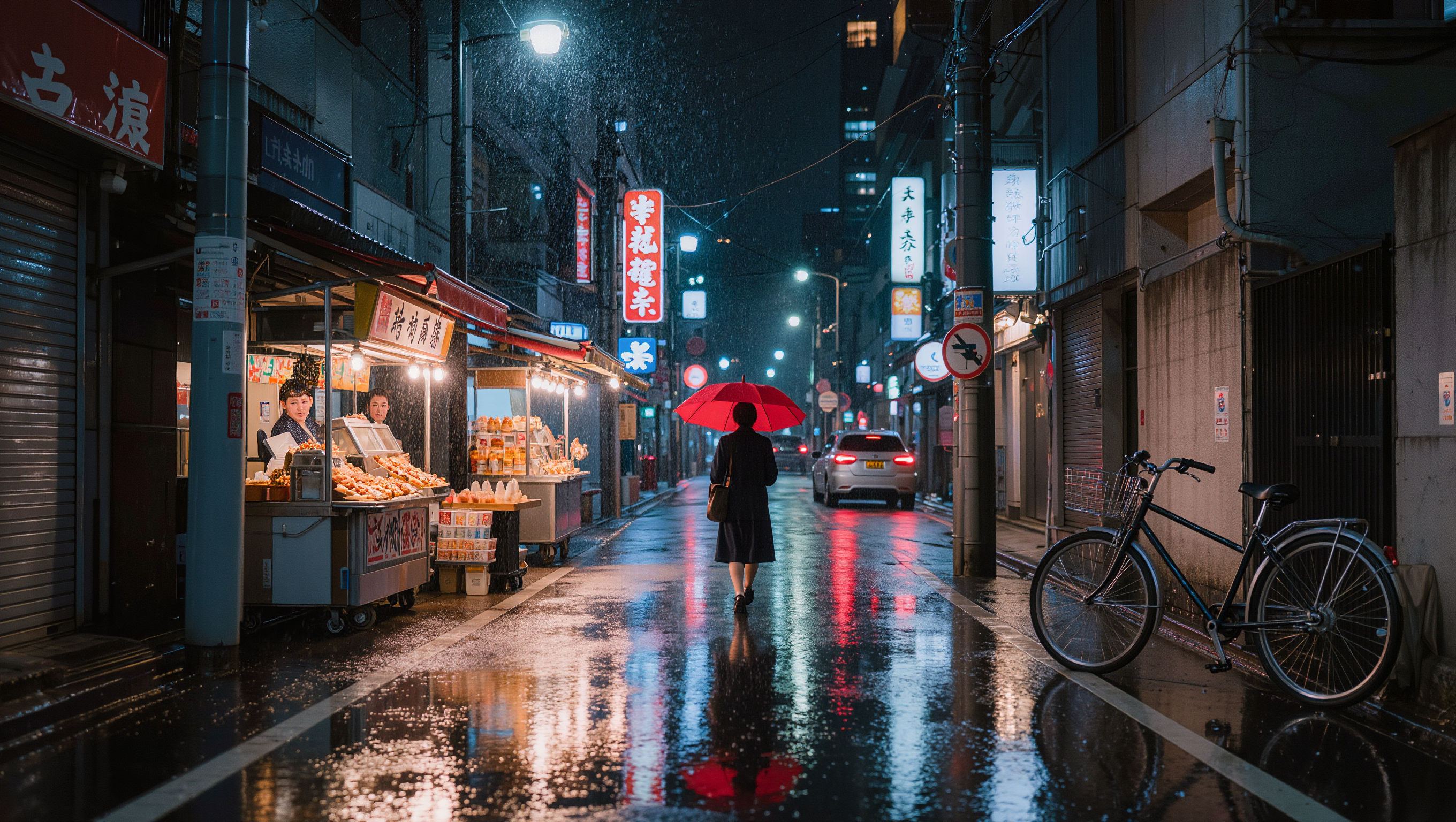
02A wide shot of a rainy Tokyo side street at night. Neon signs reflecting on wet pavement. A woman with a red umbrella walking away from the camera in the center of the frame. Street vendors on the left, a parked bicycle leaning against a wall on the right.

03A close-up of two hands shaking firmly in the center of the frame. One person wears a dark navy suit jacket with the cuff visible, the other wears a rolled-up white linen shirt sleeve. Warm natural light, low angle.
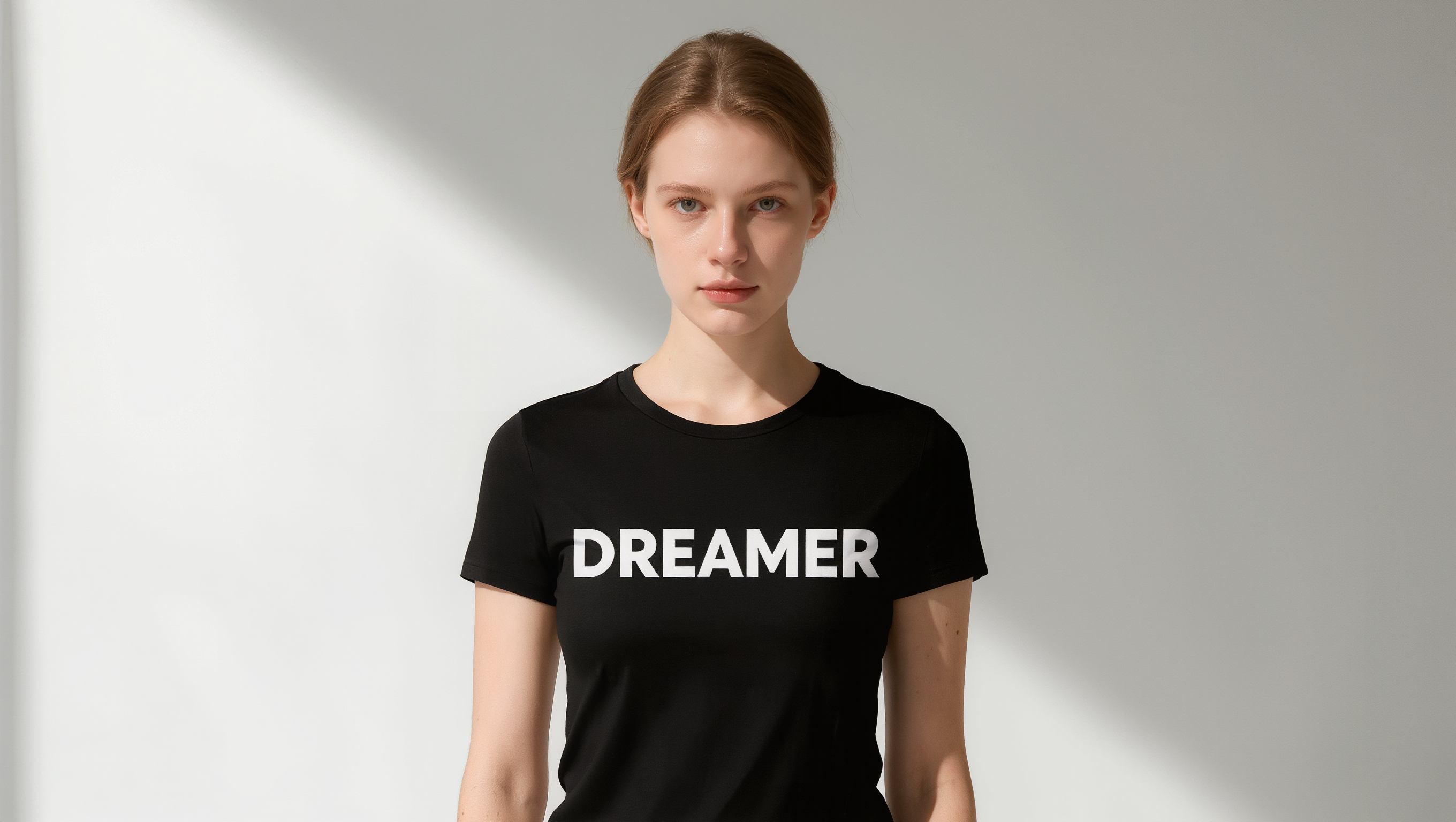
04A photorealistic studio portrait of a young woman, waist up, wearing a fitted black crew-neck t-shirt with the word 'DREAMER' printed in white sans-serif uppercase letters across the chest. Soft studio lighting from the left side of the scene, light grey background.
NANO BANANA PRO
Every person placed correctly, each with a distinct activity and clothing. The most realistic output of all five models.
Accurate scene, natural lighting on wet pavement. The most convincing result.
Solid handshake render. Tends to skip angle instructions but handled the composition better than the standard version.
Needed a few generations to get the light direction right, but once it did, the result was the most realistic of the group.